
Rose Damascena
Gallery
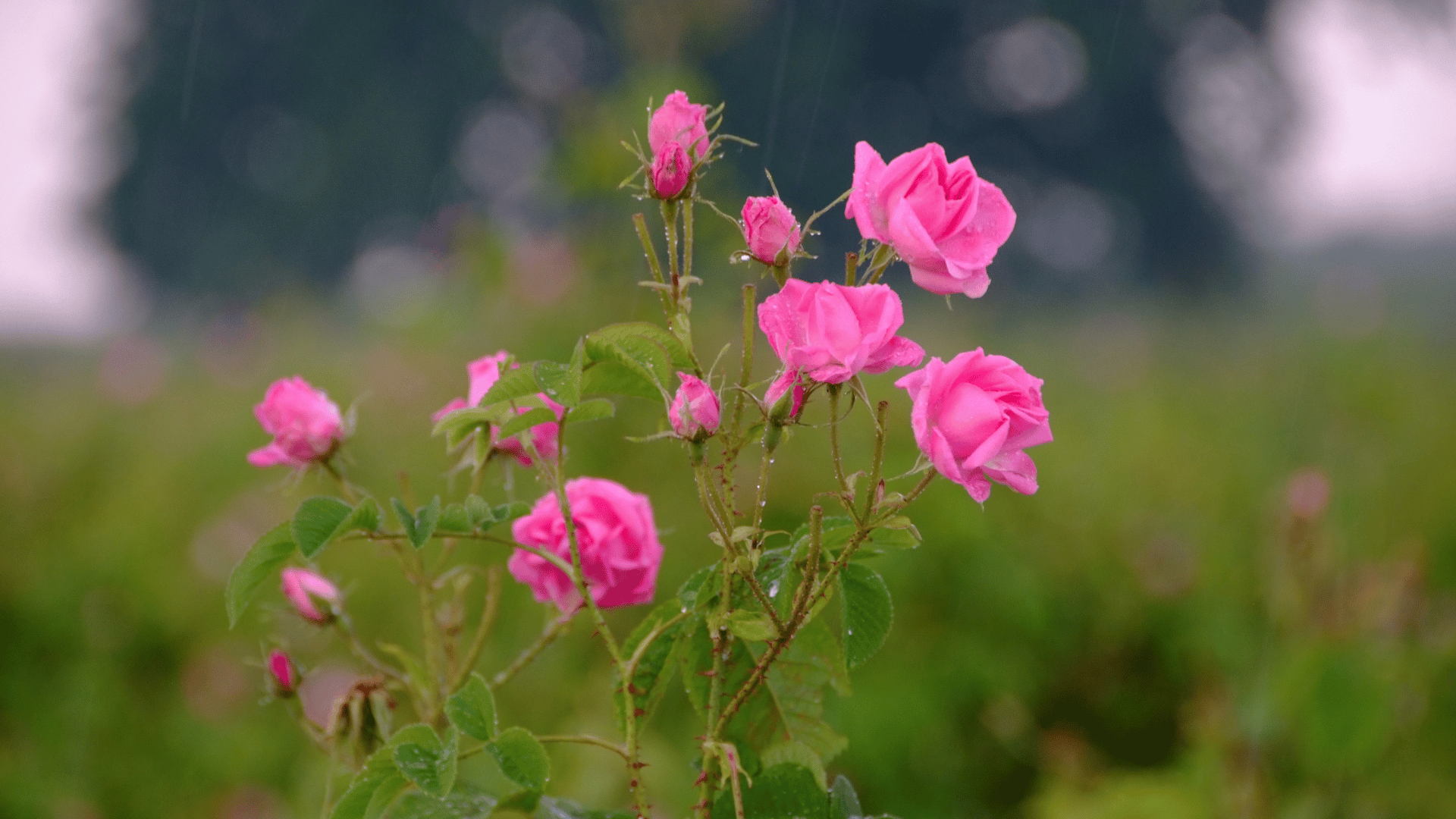
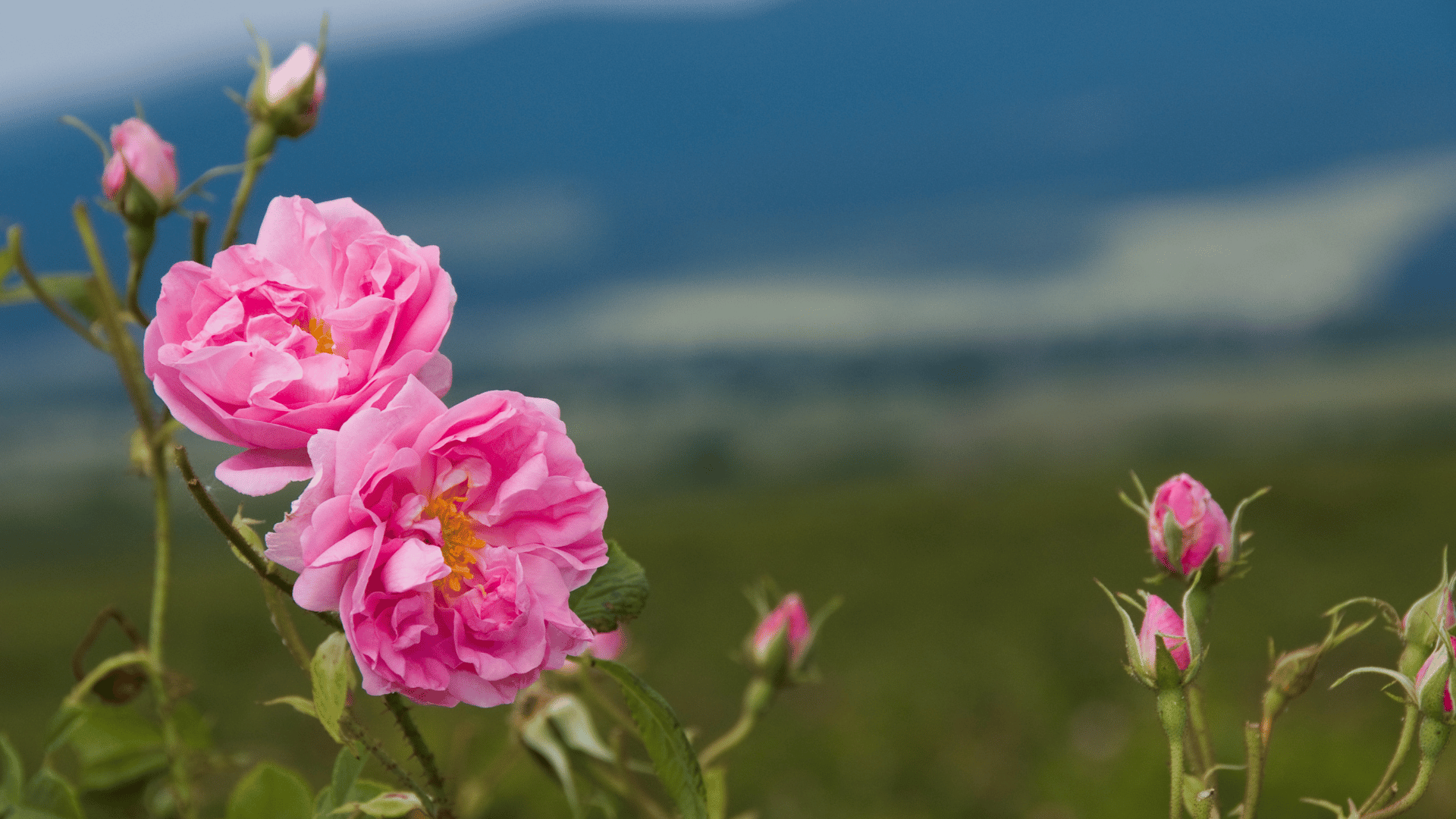
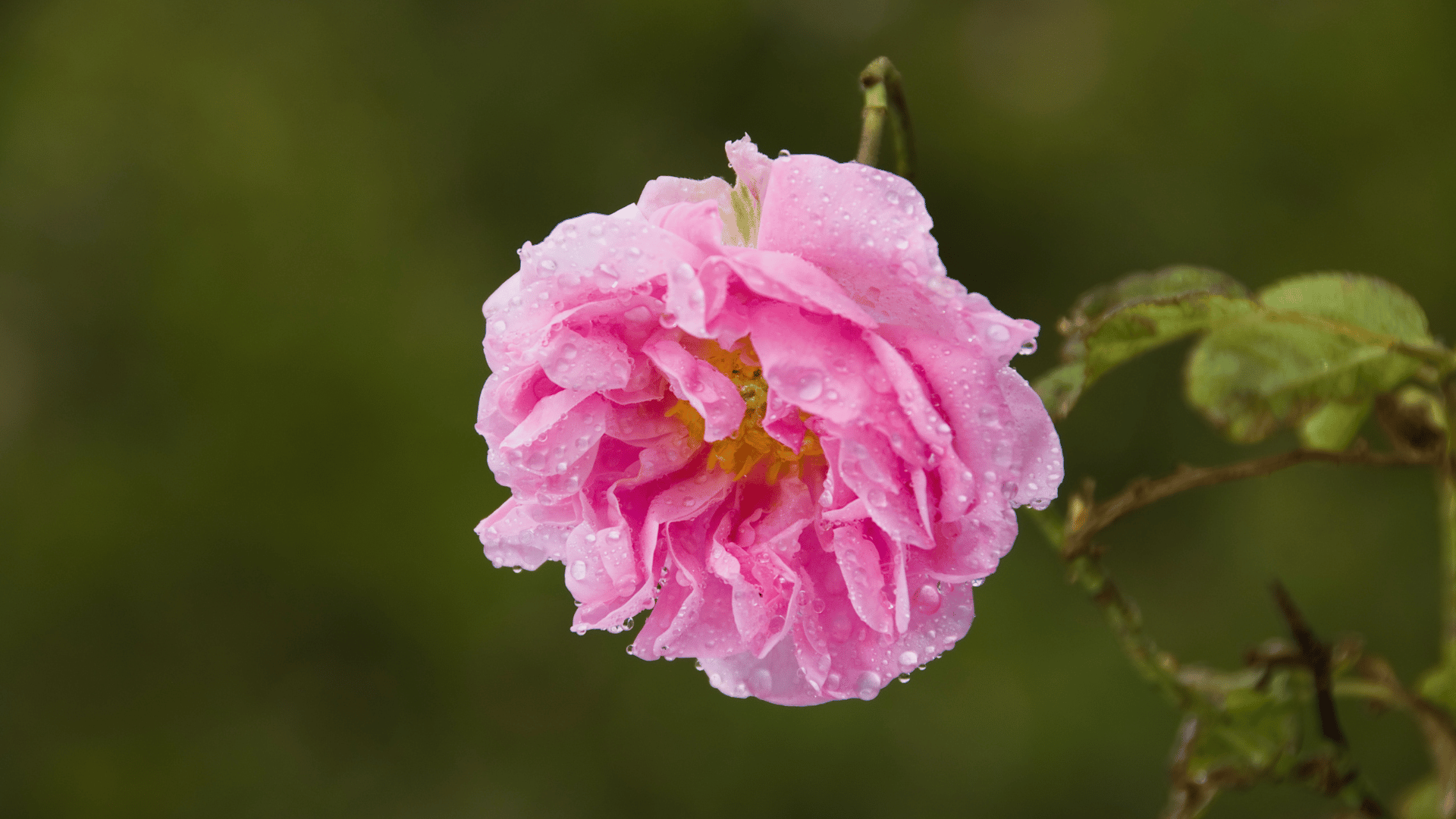
Video conversation
coming soon
"They always loved her, they have worshiped and praised her since time immemorial. There are countless legends about her, legends and ancient tales. Its role in the life of mankind is so remarkable, that volumes could be written.'
“It was before 400 years. It flourished in the gardens of a rich merchant in Damascus. Every morning his beautiful daughter went to the garden and woke the buds with kisses. This is how she confided her maiden longings to them…
Once a young man arrived with a caravan of her father. He was from the far northern mountains. With his strength and bravery he protected the caravan from dangerous fords and deserts. His hair was the color of ripe wheat fields, and the eyes the color of mountain lakes. When she caught sight of him, the girl felt, that this is the guy from her dreams …
The merchant rewarded him richly, but the most expensive gift received from his daughter. On the early morning of his departure, she handed him a sprig of budding rose, she kissed him and told him: "I can not come, but with a kiss I entrust you with my love. Every spring this rose will bloom for you and for everyone, who yearn for each other.”
The boy took the rose and hid it next to his heart. In his homeland, he planted it in the Kazanlak valley. He showered her with love every day… Here she found the shelter of two mountains and water from the clear mountain streams. Every spring the rose was showered with buds. Soon it filled the entire valley with its beauty and aroma and gave it its name - Kazallashka Rose Valley. Here she chose for her flowering the best days of the year - May-June. From the day she chose the morning hours. Far from the dry streams of the desert, under the caress of the Bulgarian spring and the fresh breeze of the valley, she smelled better than ever. They called her the queen of flowers - Queen Rose."
Roses of antiquity
Since ancient times, the Rose has been a symbol of love and beauty. Many legends from Greek and Roman mythology are associated with her. Ancient sources point to the use of incense oils and waters as far back as the ancient Greeks and Roman nobles. The ancient Greeks according to Aristotle (384 – 322 BC) received rose oil and made the best perfumes perfumes, whose composition is similar to modern ones - musk, jasmine, rose oil etc. As with the Greeks, so also among the Romans the rose was the most revered flower and was used for decoration, the merry one celebrates.
We get information about the cultivation of roses in our lands from Pliny the Elder (24-79 Mr. from AD) , who writes, that in the Thracian provinces of the Roman Empire the Thracians cultivated 12 kind of roses, one of which is known as the "Thracian Rose".
As the beginning of the penetration of the rose oil from the Near and Middle East into Europe we can point 13 V. Through 1270 Mr. , during the Crusades, Count Bruyere carried the Rose of Damascena (Rosa Damascena Mill) from the vicinity of the city of Damascus (Syria) in France. That is where its name Damask rose comes from.
This same rose, carried by the Ottoman Turks ca 1670 year. (around the 17th c.), finds the most suitable conditions for development in the Sub-Balkan valleys of Bulgaria, area, which was later named Rose Valley. Thanks to the specific nature-geographical conditions- suitable temperature, high humidity, sandy soil, as well as the protection of the Balkans from the strong cold northern winds, it turns out to be the most suitable place for its development.
For several centuries, a new variety of oil rose has been cultivated on local soil, called the Kazanlak rose. This rose is used to obtain the world-famous Bulgarian rose oil, and rose growing became a livelihood for nearly 200 000 residents of the country's rose-producing regions.
Attempts to plant were made in 1840 – 1890 Mr. and in other regions of the country (near the city. Helen, Herbaceous, Sevlievo, Dupnishko, Vracansko). But the unsuitable climatic conditions, as well as the lack of skilled labor makes production difficult and expensive, so in the 1920s, over 80% of the rose oil is produced in the Rose Valley.
The Bulgarian rose today
In Bulgaria there is 1 300 hectares of rose plantations, most of which in the Rose Valley. The soils in this area are loamy and permeable – chernozem, alluvial-meadow, with enough hummus. The climate in the Rose Valley is transitional between temperate-continental and transitional-continental. Rainy days are many and this prolongs the flowering period, suppresses oil evaporation, while at the same time increasing oil yield and improving its quality. The absence of intense sunlight prevents the unwanted release of volatile aromatic compounds from the flowers. The wax layer is thin, but the plant does not seek to make it denser, to protect from the strong rays of the sun. This explains the lower content of stearoptene in Bulgarian rose oil.
Buds begin to form in March, develop in April and usually begin to open around 10-15 May. They bloom from mid-May to mid-June. Picking is done by hand and starts at 5 in the morning and should be discontinued before 10, unless the day is cloudy. After sunrise, the content of essential oils in the flowers drops to 30% due to evaporation. The rose bush continues 20-25 days. An experienced rose picker can collect up to 50 kg per day, of which approx 10 ml valuable oil. Collected flowers must be processed within 24 o'clock. After distillation, the flower can be used as a fertilizer for the rose plantations or for fodder.
The yield of fresh pink flowers is between 100-800 kg per acre, and the middle one is 350-400 kg. If the content of essence in the flowers is 0.04-0.05%, the yield of essential oil per acre is 80-100 grams per acre, but with new varieties and optimal conditions, the figure can jump to 140 grams per acre.
Rose production
In the immediate vicinity of the Complex, at the foot of Stara Planina, is located around 120 dka pink massif, owned by the company. Every visitor can enter the garden and enjoy the pleasant aroma of roses.
It is characteristic of a Damascena rose, that it begins to bloom and gives the maximum amount of pink color only after his third year. Its flowers only bloom for approx 20-30 days a year - from mid-May to mid-June.
Another important feature is, that picking of the color takes place early in the morning between 5 and 10 o'clock. Dialed after 10 hour color has less rose oil content. The picking of the roses is done very carefully and is completely manual, which increases the price of rose oil.
For 1 kg of oil are required 1 000 000 pink flowers. In one kg of flower there are approx 340 pink flowers, and a person gains on average per day approx 10 000 flowers.
The pink color is collected in polythene bags, which are tied at the upper end to stop the flow of oxygen (degrades oil quality, as it is heated by the aerobic respiration of the color and the desirable constituents of the oil are transformed into undesirable ones). Thus the color is transported to the processing distillery. Dials in the color field must be redone no later than 24 o'clock.
The rose bushes, which are currently being bred in Bulgaria were obtained as a result of long-term research and selection at the Rose Institute in Kazanlak.